Are You Reading Your Market Report Correctly? Why Retail Sales Value Isn't Always the Metric That Matters Most
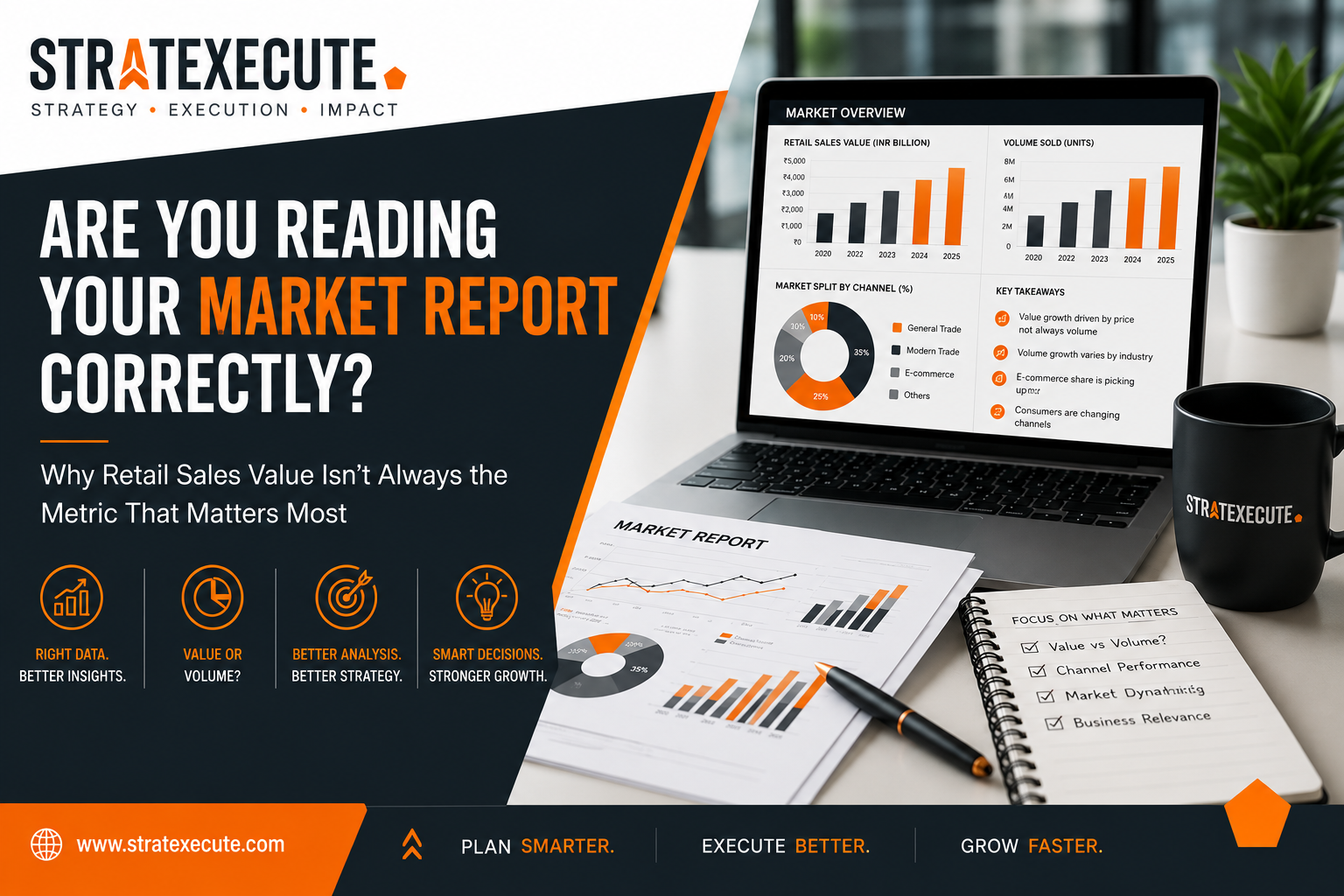
Discover how to interpret Retail Sales Value, Volume, and market sizing data effectively. Learn why manufacturers, distributors, retailers, and investors should look beyond headline market size to make smarter, data-driven business decisions.
Every strategy presentation eventually arrives at the same slide.
Market Size.
The category is worth billions of dollars.
Growth is accelerating.
Opportunities appear attractive.
Investment seems justified.
But before making decisions based on those numbers, there is an important question every business leader should ask:
Am I looking at the right metric?
One of the most common mistakes in market intelligence is assuming that the headline market size tells the complete story.
It rarely does.
Most market research reports provide multiple views of a market—Retail Sales Value, Volume, Company Shares, Brand Shares, Channel Performance, and Forecasts.
The challenge isn't the quality of the data.
The challenge is understanding which metric matters most for the decision you're trying to make.
The Problem Isn't the Market Report
Leading market research firms such as Euromonitor, NielsenIQ, Circana, and Kantar spend enormous effort collecting and validating data.
The issue is not that market reports are inaccurate.
The issue is that many readers focus on a single number and ignore everything else.
Typically, that number is Retail Sales Value.
Retail Sales Value provides a useful measure of total consumer spending within a category.
Because it captures the value generated across the supply chain, it offers a comprehensive view of market activity.
However, comprehensive does not always mean actionable.
The metric that matters most depends entirely on who you are and what decision you're trying to make.

What Retail Sales Value Actually Tells You
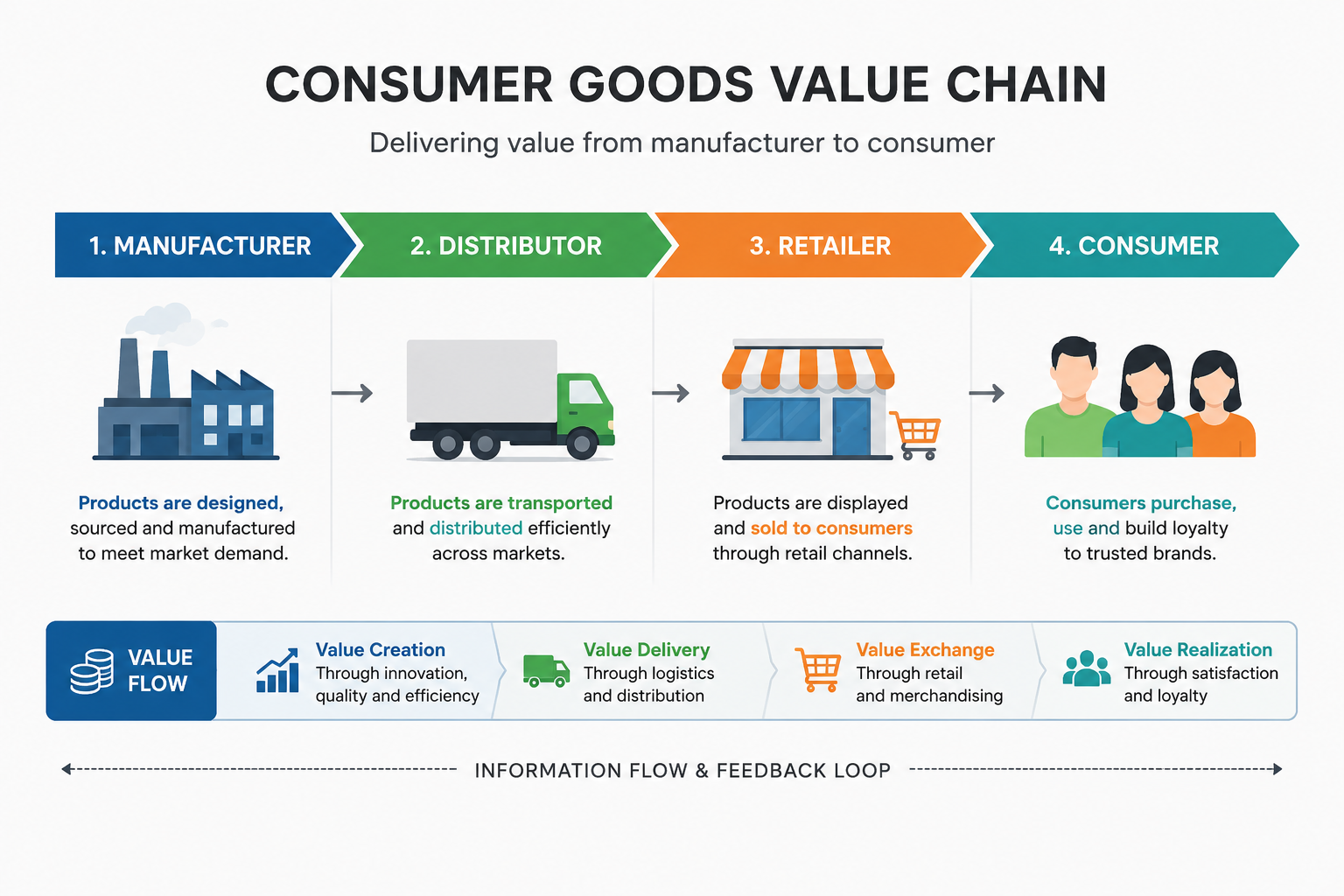
Retail Sales Value measures the amount consumers spend when purchasing products.
It includes value generated across multiple participants:
Manufacturers
Distributors
Retailers
Trade channels
E-commerce platforms
As a result, Retail Sales Value provides an excellent view of category size.
But it does not necessarily represent the revenue opportunity available to every participant in the ecosystem.
A manufacturer doesn't capture retailer margins.
A distributor doesn't capture manufacturer revenue.
An e-commerce marketplace doesn't retain the full transaction value flowing through its platform.
Yet many business plans are built as if they do.
This is where strategic mistakes begin.
What the Euromonitor Tea in India Report Can Teach Us
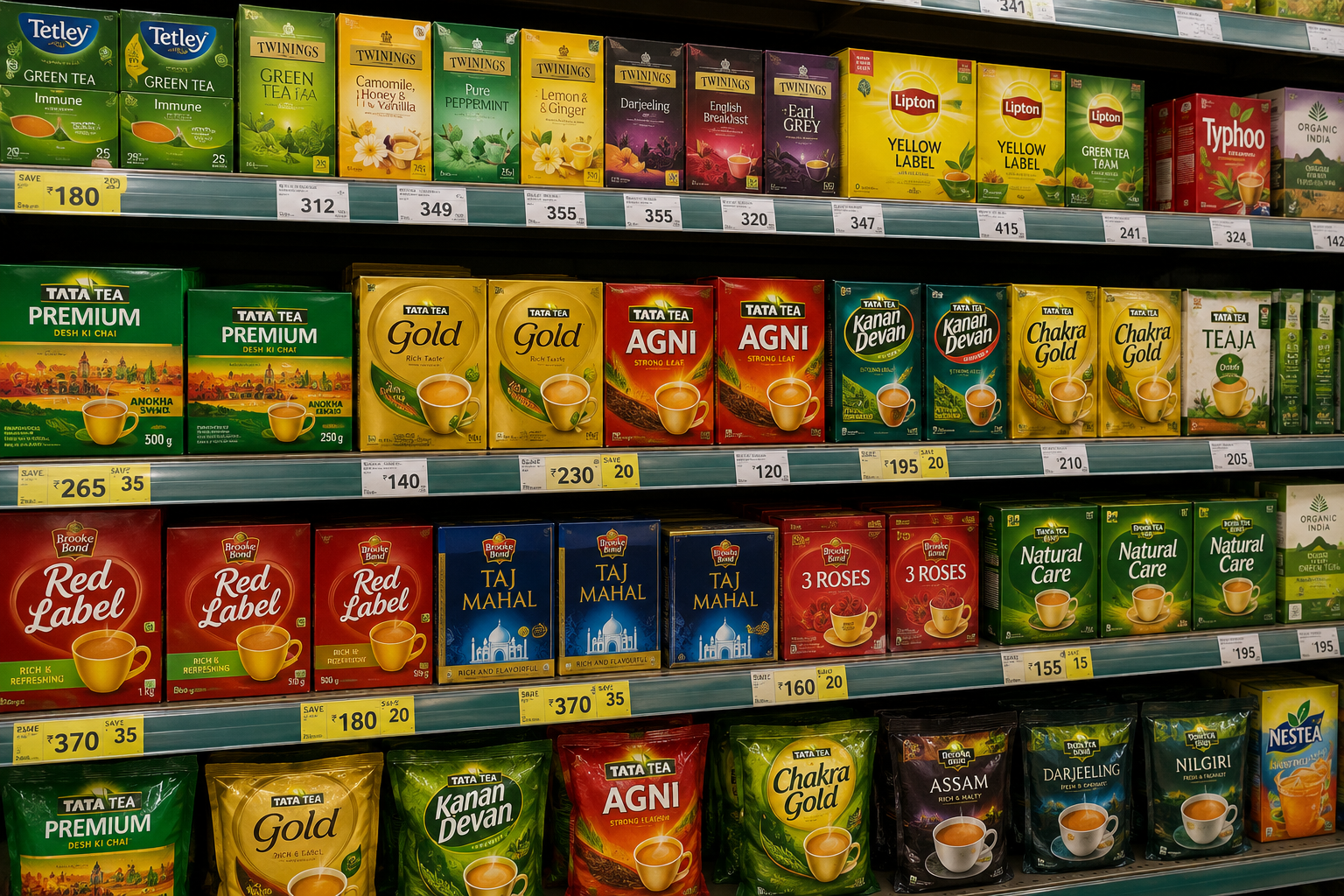
A good example comes from Euromonitor's Tea in India report.
The report includes datasets such as:
Retail Sales by Value
Retail Sales by Volume
Company Shares by Retail Value
Brand Shares by Retail Value
Forecast Sales by Value and Volume
Most readers immediately gravitate toward Retail Sales Value.
After all, market value is often the number that appears in headlines and presentations.
But in many situations, Volume may actually provide deeper insights.
Let's say a tea category grows by 8% in value.
That sounds impressive.
But what if volume grows by only 1%?
Suddenly, the story changes.
The majority of growth may be coming from:
Inflation
Price increases
Premiumization
Product mix changes
Consumers may not be buying significantly more tea.
They may simply be paying more for it.
Without looking at volume, it is easy to misinterpret what is happening in the category.
Why Volume Often Tells the Better Story
Retail Sales Value tells you how much money is being spent.
Volume tells you how much product is actually moving.
In many categories, volume provides a more accurate picture of underlying consumer demand.
For example:
Scenario
Retail Sales Value Growth
Volume Growth
What It Might Mean
Market A
10%
10%
Genuine demand growth
Market B
10%
2%
Inflation or premiumization
Market C
5%
-3%
Higher prices masking declining demand
Without volume data, these markets may appear similar.
In reality, they tell very different stories.
This is why experienced market intelligence professionals almost never look at value in isolation.
They look at value and volume together.
Different Stakeholders Need Different Metrics
The most important metric depends on where you sit within the value chain.
For Manufacturers
Manufacturers should focus on:
Volume growth
Production demand
Capacity utilization
Market penetration
Manufacturer sales value
Volume often provides a clearer picture of future production requirements than Retail Sales Value.
For Distributors
Distributors should focus on:
Throughput volumes
Trade economics
Regional growth patterns
Channel development
Volume frequently has a direct relationship with logistics and distribution costs.
For Retailers
Retailers typically care about:
Category value growth
Basket contribution
Margin performance
Inventory turnover
For retailers, value and volume are equally important.
For Investors
Investors should always compare value growth and volume growth.
A category growing through genuine demand expansion often has very different long-term prospects from one growing primarily through price increases.
Why Channel Data May Matter More Than Market Size
Another overlooked section in many market reports is channel analysis.
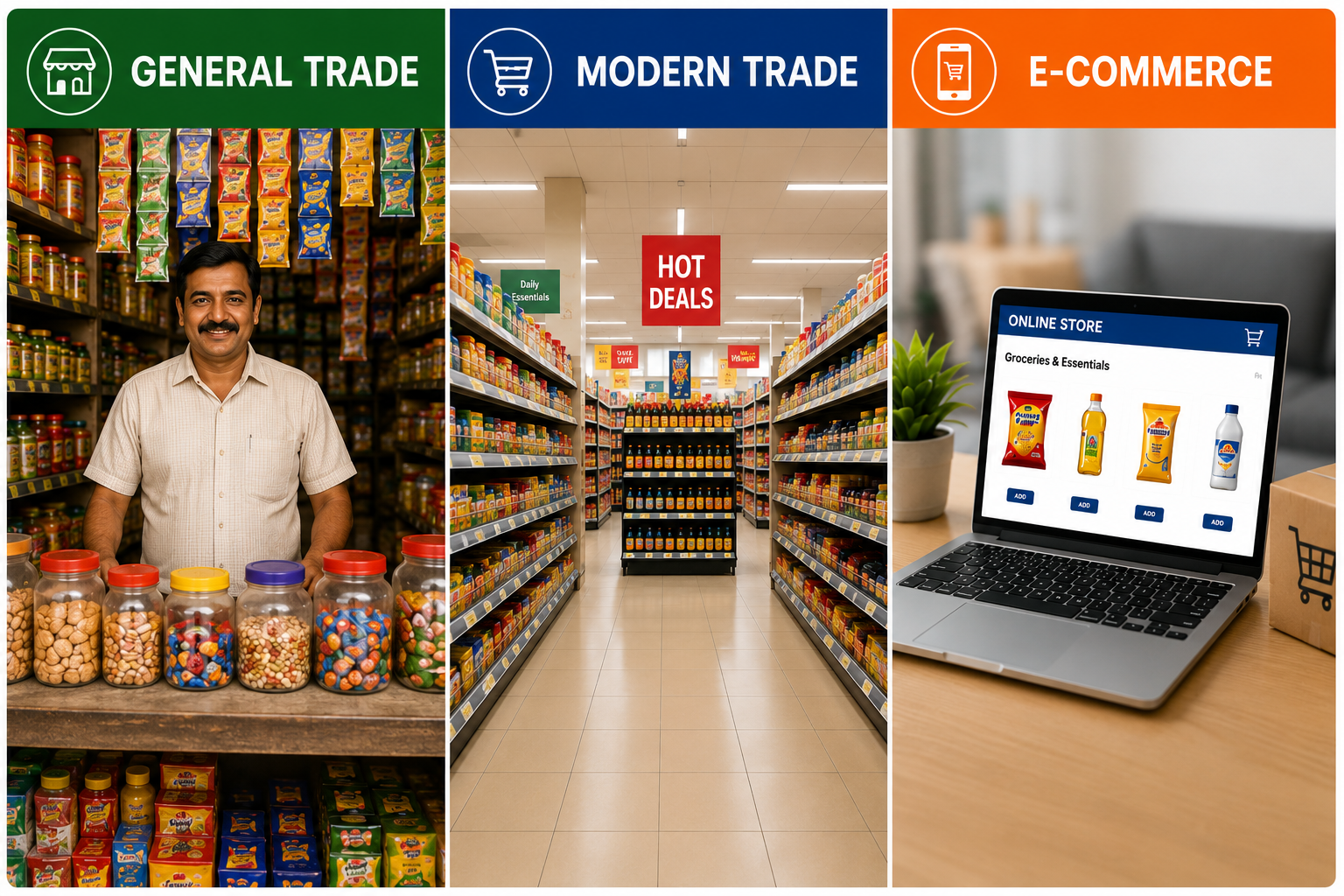
Today's consumer goods categories are spread across:
General Trade
Modern Trade
Convenience Stores
E-commerce
Quick Commerce
Specialty Retail
A category may be growing rapidly overall while declining in a channel that is critical to your business.
Likewise, a small channel today may become a major growth engine tomorrow.
Understanding where growth is happening is often more valuable than knowing how much growth exists.
The Questions Smart Companies Ask
When reviewing any market report, avoid asking only:
"How big is the market?"
Instead ask:
Is growth driven by value or volume?
Which channels are growing fastest?
What role is pricing playing?
What assumptions underpin the market size?
Which metric aligns with my business model?
How much of this value is actually accessible to me?
These questions often generate far more useful insights than the headline market size figure.
Frequently Asked Questions
What is Retail Sales Value?
Retail Sales Value measures the total amount consumers spend on products within a category.
What is the difference between value and volume?
Value measures money spent, while volume measures the quantity of products sold.
Why is volume important in market research?
Volume helps identify genuine demand growth and can reveal trends that value data alone may hide.
Should manufacturers focus on volume or value?
Manufacturers should evaluate both, but volume often provides stronger insight into demand and production planning.
Can value growth be misleading?
Yes. Growth in value can sometimes be driven by inflation, premiumization, or pricing rather than increased consumption.
Why do market research companies report both value and volume?
Together, these metrics provide a more complete understanding of category performance and market dynamics.
The Metric Matters More Than the Market Size
Market reports don't just provide market size.
They provide multiple lenses through which a market can be understood.
Retail Sales Value tells one story.
Volume tells another.
Channel data often tells a third.
The most successful companies don't start with the biggest number in the report.
They start by identifying the metric that best aligns with the decision they need to make.
Because the goal of market intelligence isn't to understand the market.
It's to understand the opportunity that exists within it.


